Problems travel with the mother stock
Material taken repeatedly from the same source can carry hidden biological risks into the next production cycle.
ACL Genetics helps commercial growers, nurseries and plant innovators preserve valuable material, establish clean stock and build reliable propagation programmes.
Traditional propagation can work well—until disease pressure, mother-stock limits or batch inconsistency begin to constrain growth.
Material taken repeatedly from the same source can carry hidden biological risks into the next production cycle.
Uneven age, condition and handling of propagation material can create variation before plants enter the production system.
High-value selections may be difficult to preserve and multiply in the volume or timing a commercial programme requires.
Projects are scoped around the species, starting material, target scale and delivery stage—not a one-size-fits-all package.
Structured multiplication programmes for selected crops and cultivars.
Controlled initiation workflows that create a stronger propagation starting point.
In-vitro maintenance and backup of elite or commercially important material.
Feasibility and optimisation work for new species or difficult cultivars.
Many companies know the term but do not yet know whether the method fits their crop, volume or commercial objective. Our learning centre makes the process easier to evaluate.
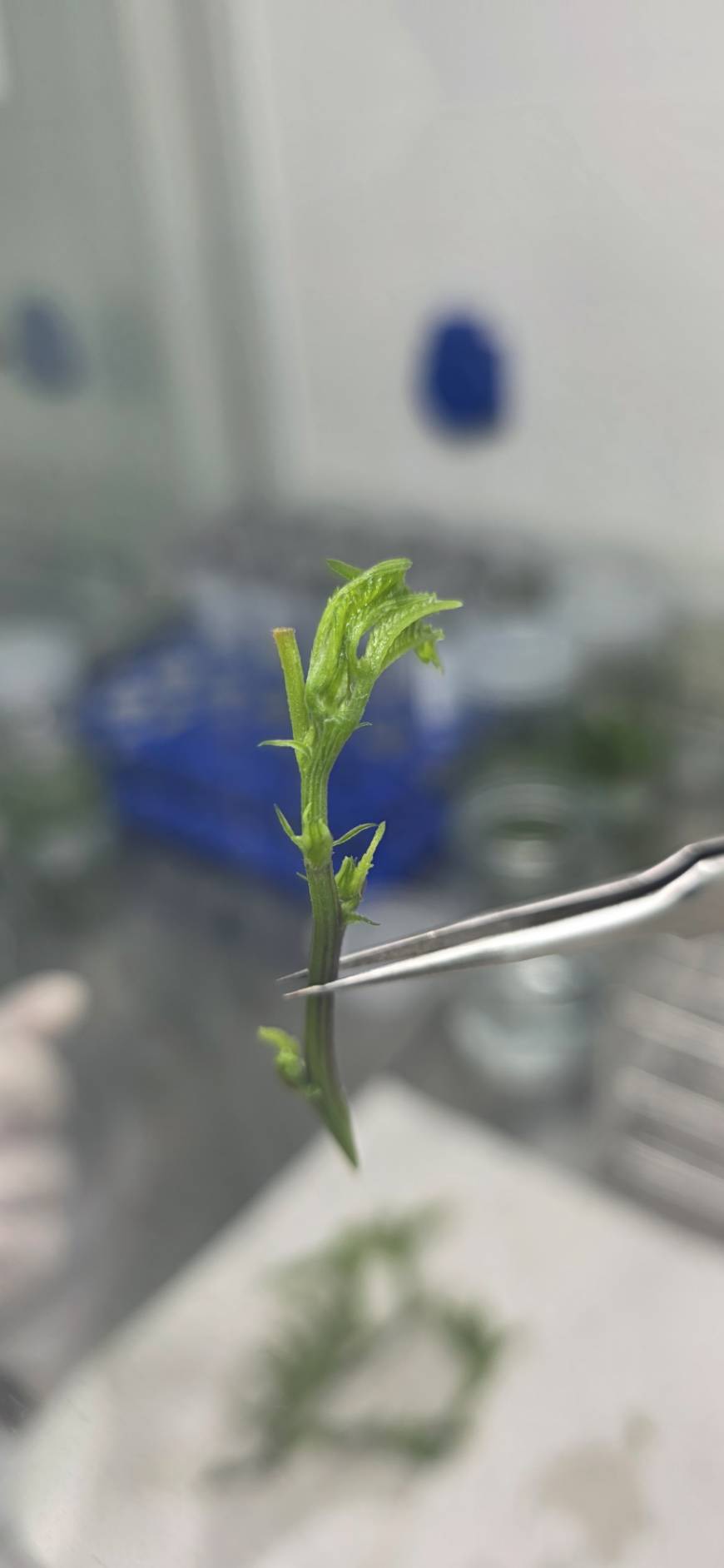
Each stage answers a different question. Scale should follow evidence, not precede it.
Define the crop, objective, starting material, target volume and intended delivery stage.
Receive and identify plant material, record condition and agree on any limitations.
Establish material under aseptic conditions and evaluate early response.
Review contamination, plant response and technical readiness before scale-up.
Build numbers through controlled cycles while maintaining identity and batch records.
Coordinate rooting, in-vitro transfer or acclimatisation according to the agreed scope.
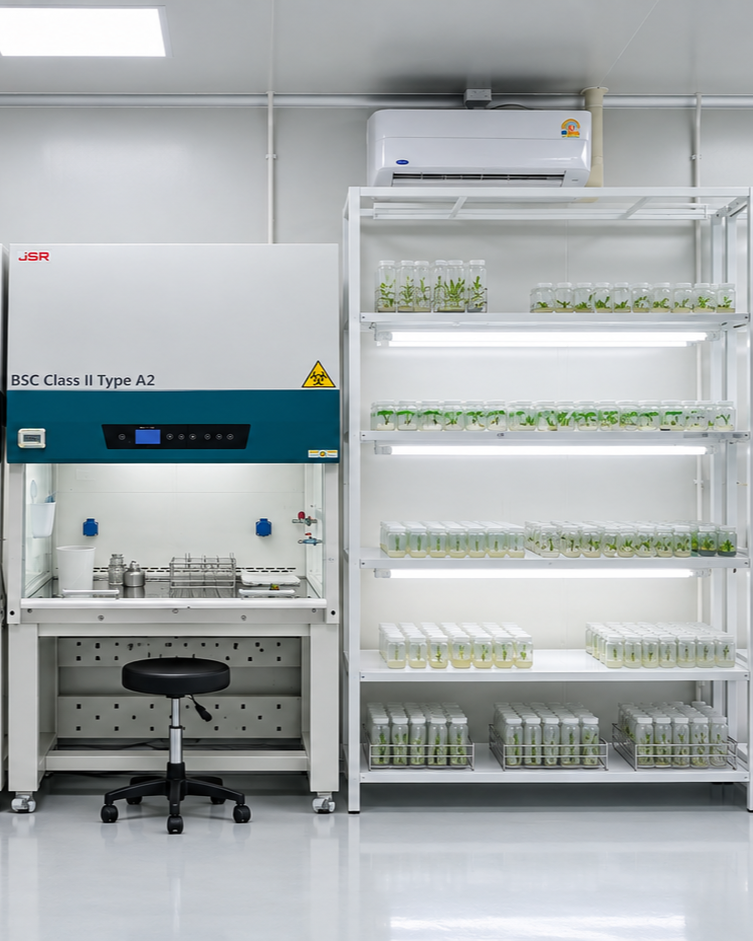
These images come directly from ACL’s tissue culture activities in Thailand.
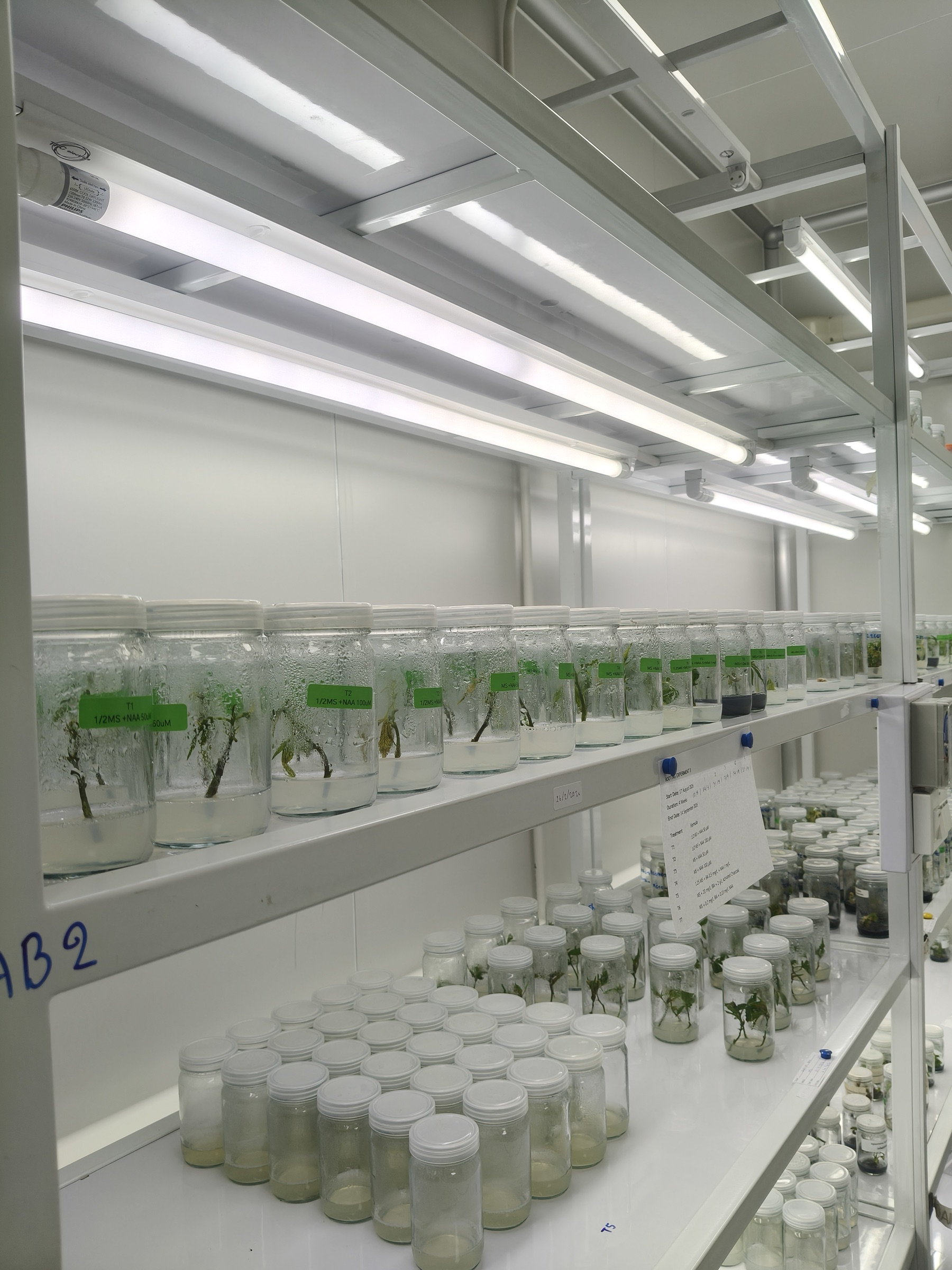
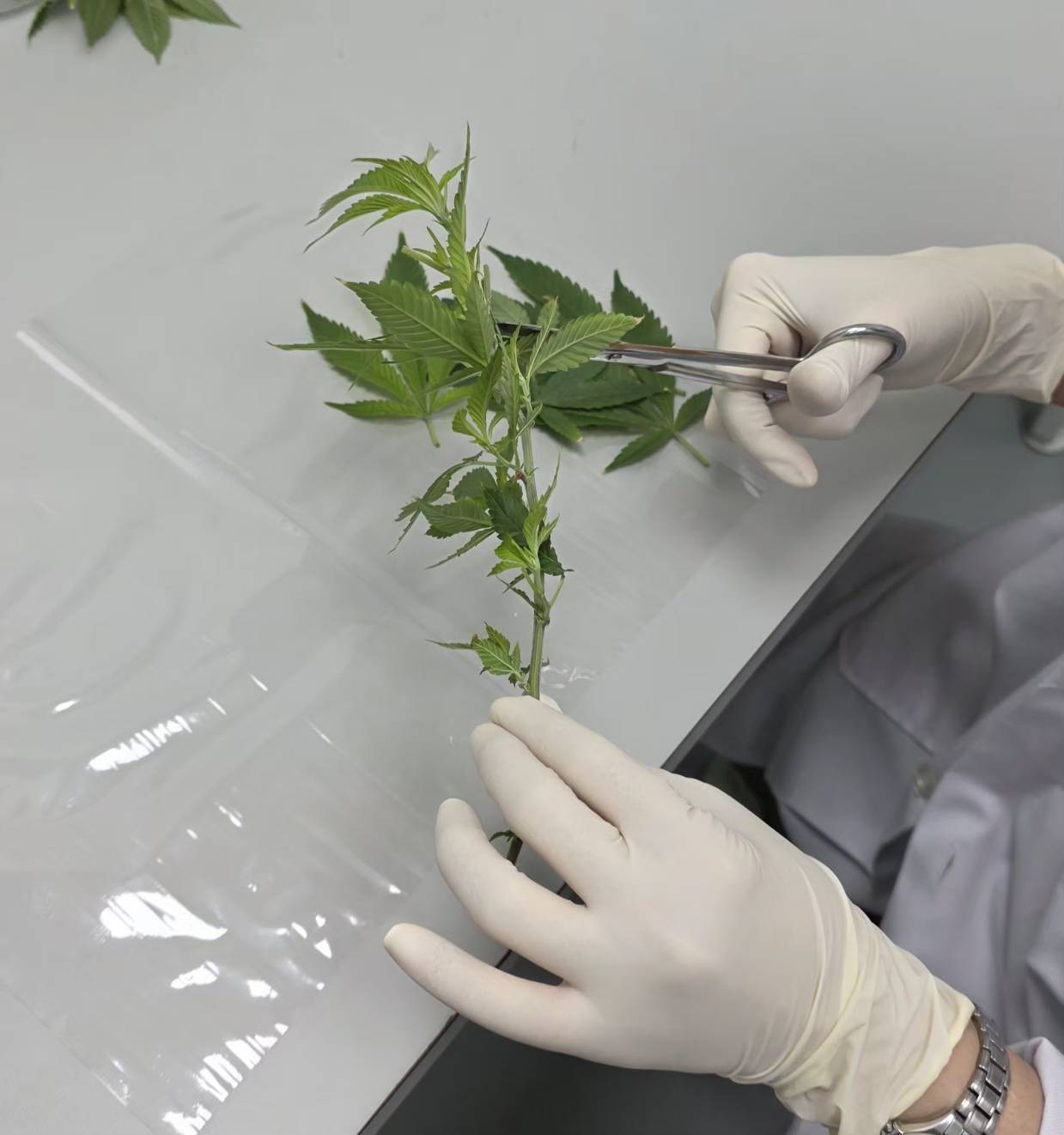
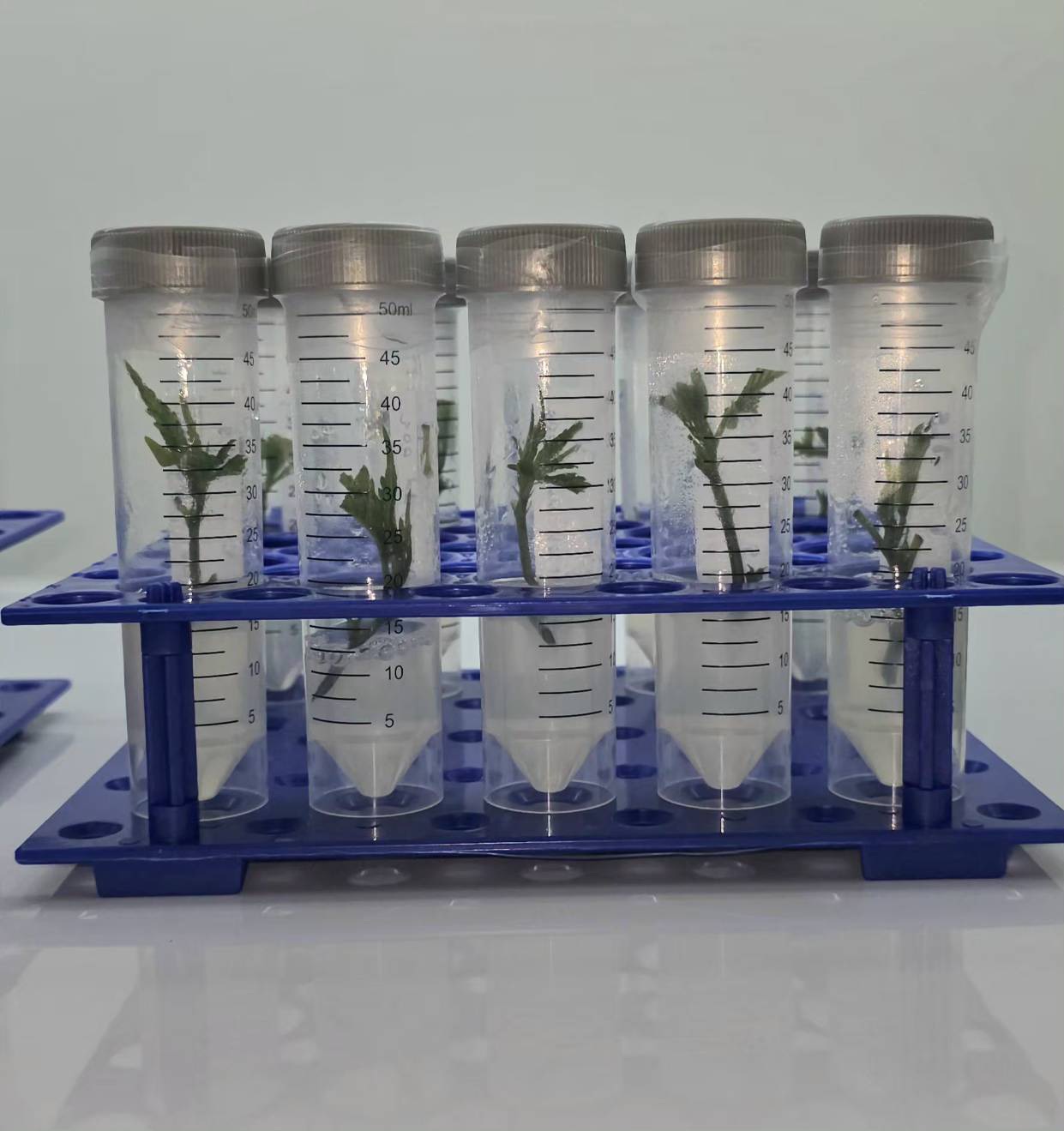
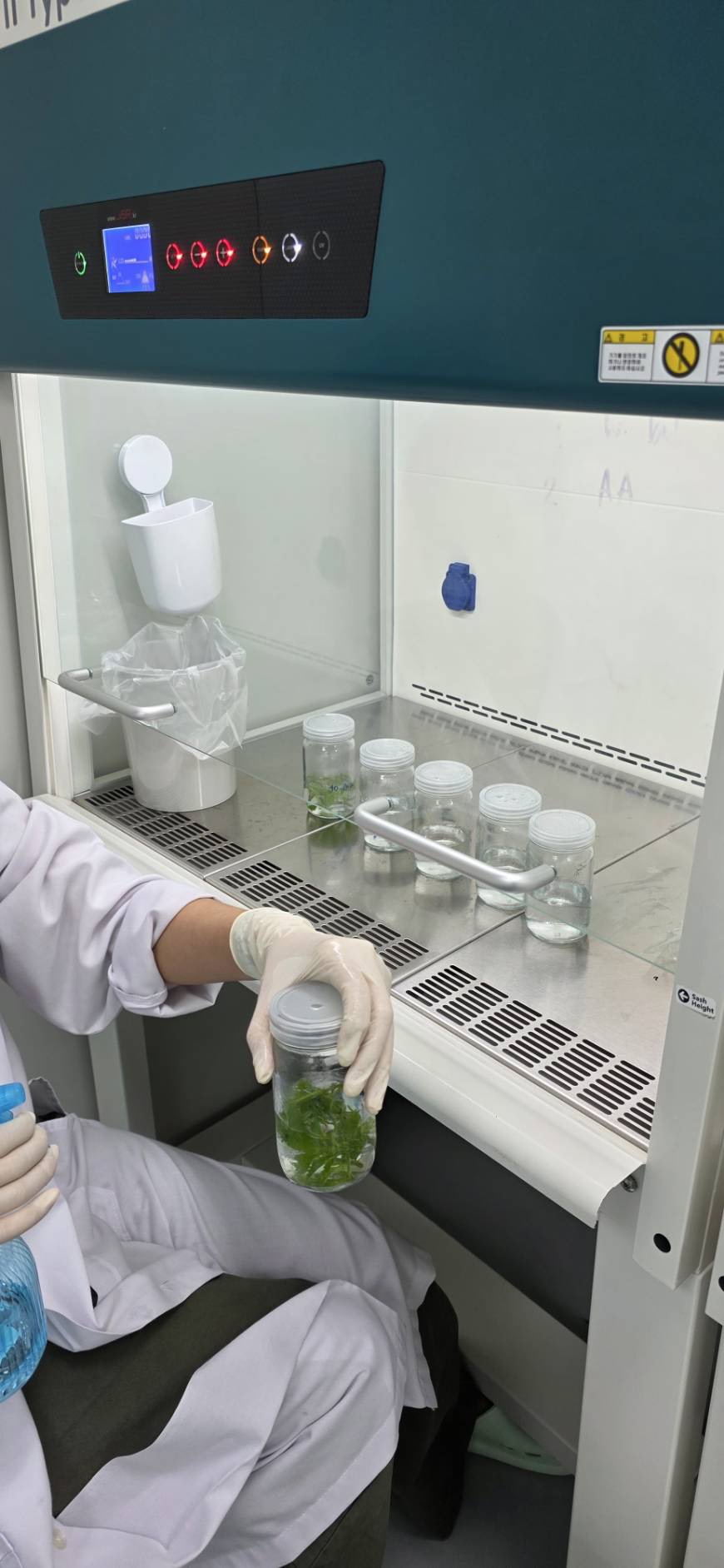
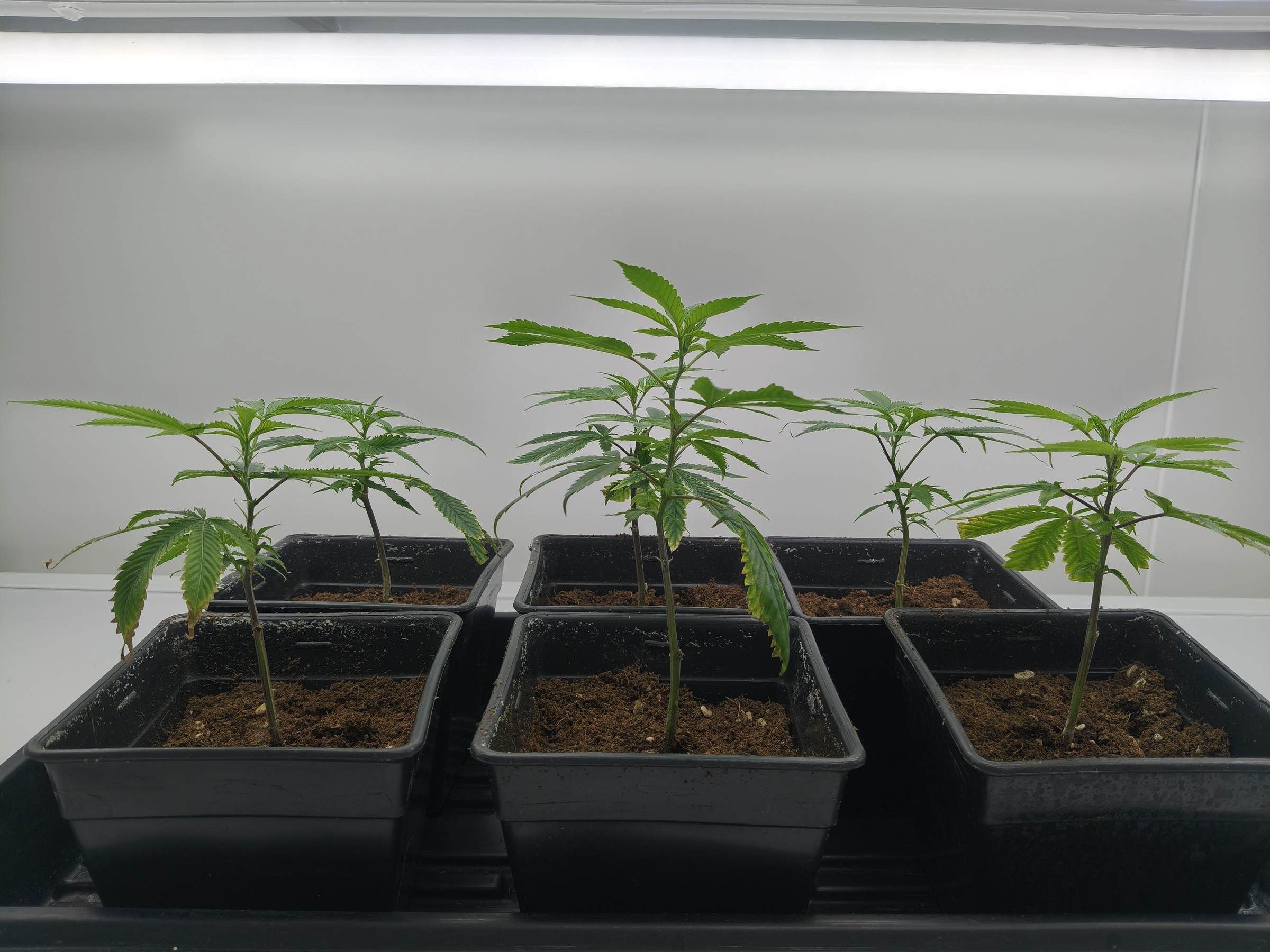
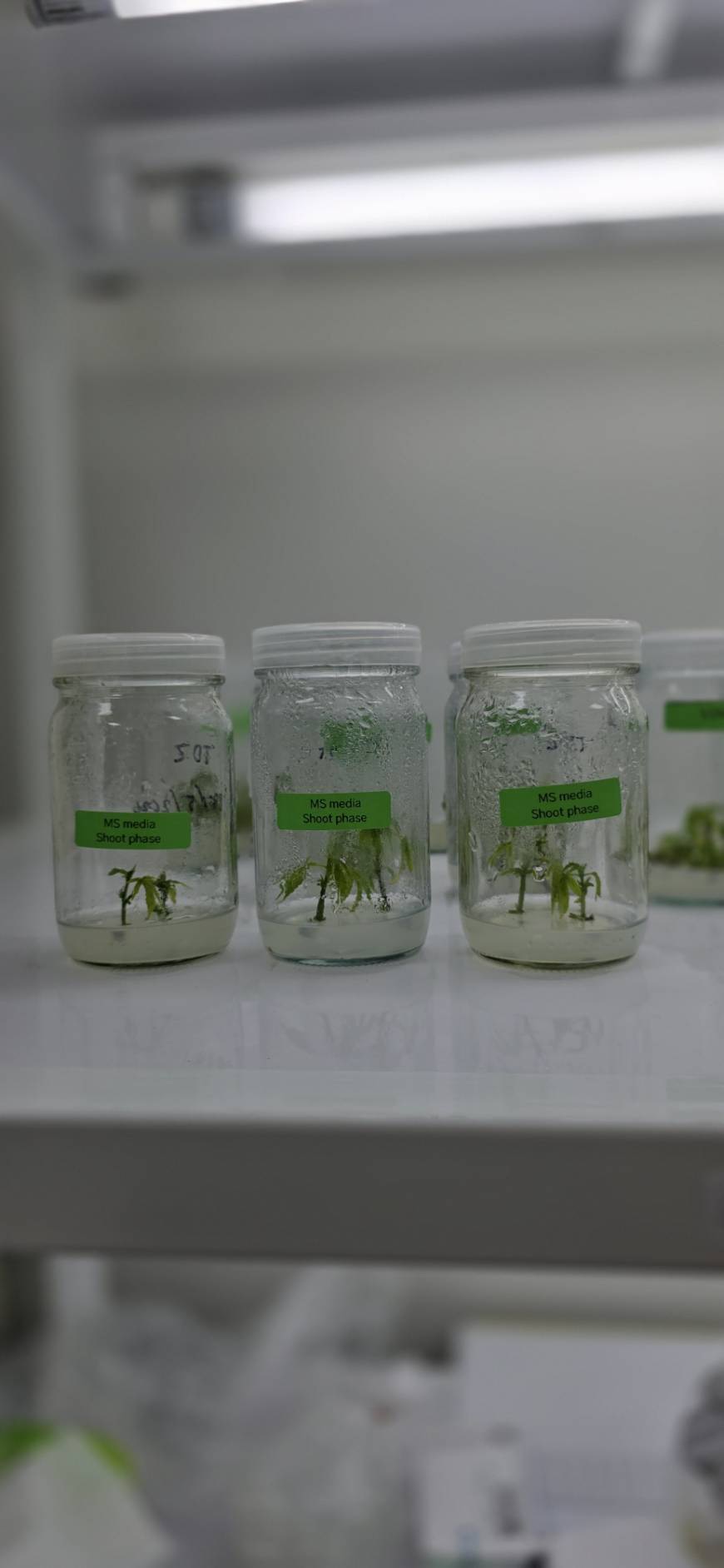
Clients should understand what enters the laboratory, what happens at each stage and what exactly will be delivered.
Source and cultivar information recorded at intake.
Clear project gates from initiation through delivery planning.
Culture identity connected to project and stage records.
Biological and scaling risks discussed before commitments.
Share the crop, starting material and target scale. We will use it to identify the most sensible next step.